
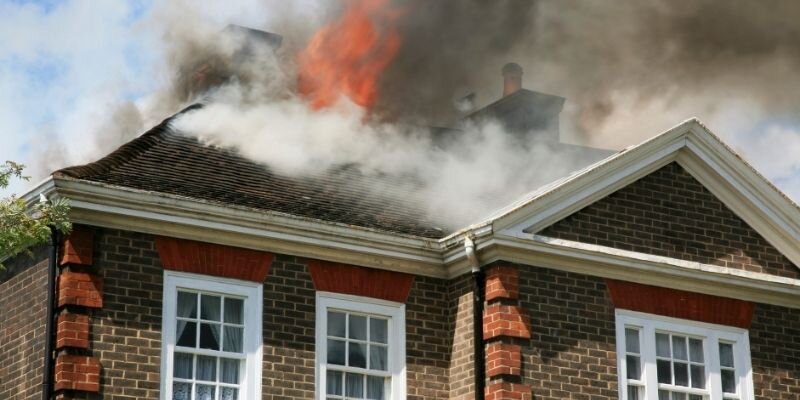
For more than a decade, I’ve been buying distressed properties all across the Colorado Front Range. From Arvada to Aurora, Castle Rock to Commerce City, I’ve seen every type of fire damage imaginable: kitchen fires that gutted half a house in Thornton, wildfires that destroyed everything except the foundation in Nederland, and electrical fires in Lakewood that left the structure intact but filled every room with smoke damage.
The reality is that selling a fire-damaged house in Colorado does not have to take forever, cost a fortune, or cause additional financial strain.
Fire Damage Assessment and Property Valuation in the Colorado Real Estate Market
An honest appraisal is needed to determine the value of your fire-damaged property, not just speculation or comparisons to a neighbor’s rebuilt home. Assessment of damage extent yields an accurate price.
Professional assessments cost $4.50 to $6 per square foot and help determine property value before selling or submitting insurance claims. Early assessment guides all subsequent steps.
Climate can complicate damage assessment in Colorado. High-altitude environments and large temperature changes can damage structural integrity, especially in mountain villages and along the Western Slope in winter. Surface damage may disclose structural issues.
Fire damage has two basic kinds, which affect property value. Smoke stains, drywall damage, flooring concerns, and broken fixtures are cosmetic damage. Cosmetic damage repairs are easier, attracting investors wishing to renovate these homes, the same buyers who typically pursue a hoarder house or other distressed properties.
The more serious structural damage can include foundation concerns, roof framing, or support systems that impair safety and resale value. Rebuilds for serious fire damage can cost $150,000 to $400,000. Repairs can cost $100,000 to $250,000.
Despite tragedy, Colorado’s real estate market has been resilient. Colorado’s median sale price reached $552,599 in August 2026, up 0.5% from a year earlier. In many desirable areas, the land value may be substantial even after a total loss.
Location is essential when selling a fire-damaged property. In popular cities like Denver or Aurora, where cash home buyers in Aurora stay active, the lot value might stay high even if there’s damage. Demand from buyers will be subdued, and construction costs will be greater, which will cut sharply into lot-only offers in rural areas.
A severely damaged property in Highlands Ranch may bring a high price based on land value, but a comparable property in rural Elbert County may bring a lower price. Often, location is as important as the quality of the structure.
Different market timing can affect fire-damaged property sales more than typical home sales. While conventional residential properties sell best in spring and summer, fire-damaged homes may sell better in fall and winter when contractors are available, and buyers are less competitive.
Legal Requirements for Selling Fire-Damaged Houses in Colorado State
Colorado’s fire-damaged property notification laws are serious. Even after repairs, sellers must disclose material faults, including fire damage. Not disclosing this information can cause legal and contractual complications during or after the sale.
These disclosures are mandatory whether selling to a cash buyer or through a real estate professional. In general, a seller should have a documented history of fire damage, repairs, and continuing problems. The transaction can be trouble-free if you are fully and accurately informed from the outset.
Colorado towns have varying rules for property condition. If a fire-damaged house isn’t secured properly, local code enforcement can punish it. Penalties could be reduced by covering up open areas and keeping the property during the sale.
Older homes are an important environmental issue. In homes built before 1980, fire damage might expose asbestos or lead-based paint. Additional testing, inspections, and disclosures may be required by state and local regulations.
Title problems can make selling fire-damaged property difficult. Insurance claims, contractor liens, and municipal code violations all cause closing delays. A title company that has experience with distressed property sales can help see these challenges and address them early on.
Some Colorado cities still require a buyer who intends to tear down the structure to get a demolition license. Some cities require a license to remove structures, regardless of damage. When negotiating the sale and closing, consider the permit costs and approval timelines.
Sell your home for cash in Colorado and get a strong offer without the hassle of traditional selling.
Fire Damage Disclosure Laws for Colorado Home Sellers
Sellers must disclose fire damage in Colorado to promote transparency. Disclosures should include the fire type, impacted locations, completed repairs, and any remaining damage or contamination.
Specific and well-documented disclosures are also required by the Colorado Real Estate Commission. Most generalizations are inadequate. Repair invoices, inspection reports, contractor estimates, and insurance documents should be kept by sellers to prove the property’s history and condition.
Insurance claim status can also affect disclosure. If a claim is still pending, buyers should be informed since it may hinder financing, ownership transfer, or repairs. Clear insurance status information might assist in avoiding closing issues.
Some smoke damage impacts are not visible, making disclosures more complicated. Smoke residue can damage HVAC, insulation, and structural materials after visual removal. If interior air quality is a concern after the fire, professional smoke damage evaluations may be needed.
Firefighting water damage may necessitate a separate disclosure. Mold, foundation displacement, and electrical damage might result from excessive fire extinguishing water. Buyers weigh that secondary damage closely.
Fire events from the past may warrant disclosure. No matter when it happened, fire damage in Colorado can affect a property’s value. Keeping precise records of earlier repairs and remediation can streamline the transaction.
Fire-Damaged House Inspection Requirements in Colorado Real Estate Transactions
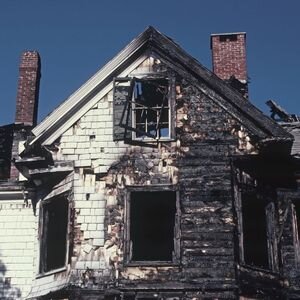
Fire-damaged homes require professional assessments. Fire, smoke, water, and structural damage are typically hard to assess with a conventional house inspection. Buyers and sellers often benefit from fire repair and structure assessment inspectors.
Licensees or professionals perform fire-damaged property structural examinations in Colorado. Insurance claims, repair documentation, and local construction codes can benefit from licensed professionals.
Whatever the cause, electrical system inspections are essential after a fire. Heating and smoking can damage wiring behind walls or in hidden spaces, posing long-term safety risks. Before renting or selling, an electrical inspection may reveal repairs or rewiring issues.
Heat and smoke damage ducting, ventilation systems, and mechanical equipment, making HVAC inspections crucial. Smoke particles in the system may impair indoor air quality following visible cleanup. Professional HVAC component cleaning or replacement may be advised.
Check plumbing after a fire. Ultrahigh temperatures can degrade pipe connections, lower water pressure, or cause concealed damage.
Additionally, foundation checks may need attention. Heavy firefighting water and heat can cause cracking, shifting, and soil difficulties surrounding the structure. Before the property changes hands, a thorough evaluation can reveal structural issues.
Environmental testing is often needed in older homes where fires may have disturbed asbestos or lead-based paint. Professional environmental evaluations can discover pollution issues and document buyer and seller repair needs.
Insurance Claims vs Direct Sale: Best Options for Fire-Damaged Colorado Properties
All other fire-damaged property decisions depend on the insurance claim versus the direct sale option. Insurance claims for fire damage usually take 60 to 180 days to settle, but coverage or damage estimate disagreements might delay them.
Insurance payouts commonly land between $80,000 and $120,000, while repairs run $100,000 to $250,000, and a full rebuild can reach $400,000. Examine your circumstances carefully. If repairs cost $50,000 or more than your insurance payout, a direct sale may be better.
Insurance claim estimates vary greatly by adjuster and damage appraisal. Initial estimates may not account for smoke damage, structural issues, or property value loss for certain residents. Your claim might be supported by independent contractor estimates and extensive documentation.
Insurance claims also put time pressure. Most policies mandate immediate notification and participation during investigations. However, homeowners may still pay mortgages, taxes, and insurance on an unoccupied property. Carrying costs might rise quickly.
A direct sale avoids the need to discuss insurance. Cash buyers like LVN Real Estate typically close on distressed Colorado properties within 7-10 days. This speed may reduce recurrent costs for some households.
Some homeowners file an insurance claim and negotiate with direct buyers. If claim talks go longer than expected, this strategy offers more flexibility. Purchase agreements should specify how to handle unsettled insurance claims.
Liveable or unlivable, property taxes continue. Assessed values in Jefferson County are not automatically reduced after a fire. Residents must submit damage documentation for reassessment. Reassessment takes months, and full property taxes are required till then.
Colorado Fire Restoration Costs vs Quick Sale Property Value Analysis

Decisions about restoration versus speedy sale are often pecuniary, not emotional. On average, fire damage restoration costs $27,175, ranging from $3,107 to $51,243. Colorado’s greater labor and material costs may not be reflected in national statistics.
Construction costs are high in Colorado. Labor restrictions and costs of material transportation add 15 to 25 percent to the cost of Denver restoration projects. Contractor shortages and access might drive up prices in Alpine areas.
Quick selling values depend on location and the extent of damage. For a $400,000 Denver property that needs to be rebuilt and has structural problems, an investor might offer $200,000-$280,000. This frequently involves costs of repair and investment risk.
Since carrying expenses continue during repair, restoration durations affect finances. Even when unoccupied, mortgages, taxes, insurance, and utilities must be paid. Carrying a $400,000 mortgage for six months can cost $15,000-$20,000.
Permits and inspections boost rehabilitation costs. Even without structural improvements, most Colorado towns require fire damage restoration permits. Engineering studies, permit fees, and inspections might add $5,000 to $15,000 to a repair budget.
Project schedules and restoration prices depend on contractor availability. Many development projects in Colorado are delayed, and fire restoration expertise may be scarce. Homeowners may wait months before starting restoration while paying household bills.
During restoration, market appreciation may affect financial analysis. Colorado home prices rose 0.5% over the past year, so a six-month restoration project may benefit from market appreciation that reduces carrying AND repair costs.
Colorado Fire Damage House Sale Process: Step-by-step Guide for Homeowners
You start the fire damage sale process before listing or contacting buyers. Document everything thoroughly. Gather insurance correspondence, claim evidence, and various damage images and written estimates from at least three contractors. It will be the basis of your sale.
As your sales strategy depends on it, a professional review should follow. A licensed evaluation puts your asking price on solid ground. Unprofessional estimates might lead to pricing blunders that cost more.
Must report full fire damage and restoration history. Colorado law requires written statements describing the origin of the fire, the amount of damage, the repairs completed, and the condition of the property. Complete work dates, contractors, and permit numbers.
Preparing the property for showings comes down to damage and safety. Clear debris away. Board up damaged windows and doors to secure the house from weather and vandalism. The best cosmetic repairs are done in the context of a larger strategy of restoration.
It is not easy to determine the value of a fire-damaged house for sale. In Colorado, fire-damaged property generally sells for 40% to 70% of the pre-fire value, depending on the extent of damage, location, and buyer interest. Some houses sell fast at a lower price, while others sit waiting for a bigger offer.
Market a fire-damaged property differently than you would a conventional home. These properties are particularly attractive to contractors, investors, and buyers looking for a fixer-upper. Fire-damaged buildings are attractive assets in the strong property markets of Denver, Boulder, and Fort Collins, Colorado. If your property sits up north, we buy houses in Fort Collins in any condition.
Financing fire-damaged buildings can be tricky, and finding the right buyers is essential. Banks/mortgage companies may have a hard time financing buyers. These transactions are appropriate for cash purchasers and investors with certain financial arrangements.
As-Is Fire Damaged Home Sales: Avoiding Costly Repairs Before Selling
Although they require realistic pricing and buyer communication, as-is sales can decrease repair time and cost. Colorado does not allow sellers to hide known flaws when selling a property “as-is”. This suggests the seller won’t make repairs before closing.
Providing buyers with detailed information can help throughout the inspection. Sellers often provide contractor estimates, insurance adjuster reports, professional assessments, and damage data. Intelligent buyers are more likely to make a good offer and close the sale.
Safety is still the priority, however, and property with urgent safety issues may need fixing before it can be sold. Local building inspectors may levy fines on dangerous or unsecured properties. You’ll sell better if you fix the obvious things, like exposed wiring and structural instability.
Price an as-is property against remodeling costs and investor expectations. A lot of refurbishment investors aim for profit margins of 20-30%. The property may be worth $400,000, but the full repair cost may be $100,000. Offers on an as-is basis could be in the range of $250,000 to $280,000.
Utilities matter to a buyer walking the property, and losing access to them can hold up a sale. Basic services like power, water, and gas can aid with inspections and remove ambiguity for the buyer. No utilities could translate into fewer offers due to fears about damaging the system.
Sellers of as-is property may be required to have title insurance by distressed property experts. Some title companies won’t insure fire-damaged homes or may charge more for certain endorsements. Work with distressed or investor title companies for quicker closings.
Financing might also be a limitation for as-is and fire-damaged property buyers. Standard mortgages usually include safety and habitability conditions. That means the major market for these houses is cash buyers and investors with expert funding.
At LVN Real Estate, we buy houses in Denver and the surrounding areas, helping you sell quickly, easily, and with confidence.
Cash Buyers for Fire-Damaged Homes in Colorado: Finding Legitimate Investors

Several types of investors buy fire-damaged properties with varied criteria and techniques. Fix-and-flip investors look for properties they can repair and resell quickly. Repair and hold properties are a common emphasis for rental property investors. For destruction and redevelopment, developers and builders may target fire-damaged properties.
Real cash purchasers can prove money and execute agreements without financing. The average as-is sale takes 30 to 90 days; some Colorado fire-damaged home transactions take 7 to 10 days. Sellers must carefully check buyers’ financial ability before signing.
Local investors may have an advantage over out-of-state investors since they are familiar with Colorado market conditions, the permitting process, availability of contractors, and regional price trends. Local expertise may also be good for sales.
If you have a fire-damaged residence in Colorado, LVN Real Estate may be able to help. We buy homes for cash from homeowners who want to sell problem homes. We also provide local Colorado market info to make the process smoother. To find out more and see what options are available for your property, Contact Us today.
Generally, the after-repair value, estimated renovation expenses, project timeframes, and investment prospects are considered. Professional investors weigh a property’s resale worth against the expense and risk of repairs.
Sellers should also be alert to warning signs during negotiations. Potential buyers who pressure sellers to act quickly, don’t present proof of their financial position, or make crazy offers, could face further scrutiny. Sellers benefit from comparing offers to analyze their property’s value and potential.
Cash buyer offers can increase negotiating leverage and market information. Compare offers. Investors often have differing opinions on the value of a fire-damaged home and how much it would cost to fix it and flip it.
Tax Implications of Selling Fire-Damaged Property in Colorado
Capital gains taxes can be affected by ownership history, insurance payout, and sale price. If the property is sold, any insurance proceeds in excess of the property’s adjusted basis may also be taxable. Colorado homeowners are advised to speak to a tax professional before making any decisions to determine tax ramifications.
Fire damage may reduce the assessed value of a property and the owner’s property tax liabilities; property tax re-assessment may be needed. Most Colorado counties require homeowners to complete a formal reassessment application that provides damage data and expected repair costs. It is suggested to file promptly after fire damage, as an appraisal can take months.
Problems with the taxability of insurance settlements can arise if the payment exceeds the value of the property or if it includes items such as temporary living expenses. Part of a settlement can be a tax-free recovery of your basis, and part can be taxable income. Large insurance payouts can also benefit from the help of seasoned tax counsel.
If the insurance money is reinvested in another similar replacement property within IRS deadlines, Section 1033 lets homeowners defer capital gains taxes on an involuntary conversion. It is not a like-kind exchange; the rules are their own, so run them past a tax specialist.
You may be able to deduct losses that run past what your insurance covered. Colorado follows the same standards as the feds for the casualty loss deduction. There is itemization and thresholds. Deductions for uninsured losses are supported by detailed records.
Some states treat taxes differently from the federal government. Colorado does not tax property damage insurance proceeds; property sales capital gains may be taxed. Learning state and federal tax laws can help homeowners make better financial decisions.
In rare cases, fire damage may demand employment-related relocation and moving expense deductions. Colorado law may offer relocating expense deductions not permitted under federal law. Records of fire damage, relocation, and relocation costs should be kept.
Emergency Relocation Assistance While Selling Fire-Damaged Colorado Homes
Temporary housing is a strain on budgets and extends the time for decisions on fire-damaged buildings. Some Additional Living Expense (ALE) insurance coverage may expire prior to the completion of repairs or rebuilding, leaving homeowners with interim living costs when they sell or repair the property.
Colorado fire victims could be eligible for housing assistance funding and application time limits. Applications for state housing restoration assistance can sit pending for months, which stalls homeowner reconstruction and repair. The lag in finance and procedures may hinder the affected households’ planning.
Cost and availability of temporary lodging are dependent on the rental market. In Colorado, average rent runs about $1,821 a month as of 2026, and short-term rentals in popular regions will be expensive and competitive. When considering the timing of restoration of fire-damaged property or the probability of selling it, homeowners should factor in the interim living expenditures.
FEMA aid may be available for federally declared catastrophes, but the benefits are capped. FEMA is not about rebuilding or repairing property, but rather temporary housing and minor repairs.
Local governments and counties may have assistance programs. Boulder County offered specific help to Marshall Fire victims. Owners can contact their local emergency management or housing officials for details on the program and application procedures.
Family and friends can help with temporary housing expenditures and provide you with flexibility in decision-making. Long-term short-term housing could cause personal and logistical problems that homeowners should consider while planning for their next step.
Employers may assist with job-related relocation following fire damage. Some companies offer emergency relocation or disaster benefits to employees who have suffered major property losses. It is worth asking HR what your employer offers.
Storage, cleansing, and personal property management may cost more during a fire recovery. Cleaning and restoring salvageable objects can be costly, but may be covered under personal property rules in insurance policies.
Frequently Asked Questions
How Hard Is It to Sell a House with Fire Damage in Colorado?
A fire-damaged home in Colorado can sell, but it takes special handling. Cash buyers typically pay 40% to 70% of the pre-fire value and can close in 7 to 10 days, far faster than a listing. Price realistically and target investors/contractors.
What Makes a House Unable to Sell?
Overpricing or hiding damage hurts house sales. Colorado sellers must reveal fire damage or risk contract cancellation or lawsuit. Hidden faults, overpricing, and safety issues that prevent buyer inspections are the biggest fire-damaged home sales obstacles.
How Do You Sell a House After a Fire in Colorado?
Professionally assess damage, reveal specifics, and charge accordingly. Find Denver, Boulder, and Fort Collins contractors, remodelers, and flippers. Cash sale and traditional listing boost chances.
What Should You Do with a Fire-Damaged House?
Insurance restoration, as-is sales, or lot destruction. If cosmetic damage is insured, fixing and listing may increase returns, but traditional sales take 3-9 months. Selling as-is may be possible with substantial structural damage. Insurance, repairs, and funds decide.
What Selling a Fire-Damaged Colorado House Really Takes
I’ll be honest. Selling a fire-damaged Colorado home isn’t as bad as people imagine. You will receive less than market value. The process differs from selling a perfect property. However, you don’t have to spend a fortune restoring a property that may not sell.
Homeowners who delay, hope for magic fixes, or hide harm from buyers struggle. Success comes from being practical, understanding one’s options, and making judgments based on facts rather than feelings.
I worked with a seller in Louisville whose fire-damaged property sold in 12 days. She put that money down on a rebuilt home three blocks over, and she has not looked back.
Experienced businesses, such as LVN Real Estate, can guide you through your fire damage recovery alternatives. Contact 720-259-9274 to discuss your situation.
You should base your decision on your current condition, not what you want, whether you pick restoration, an as-is sale, or something in between. Fire-damaged properties can sell in Colorado if priced and promoted properly.
Talk to me about your alternatives. No obligation, no pressure. Just honest counsel from someone who’s experienced every fire damage problem Colorado homeowners face.
Helpful Colorado Blog Articles
- Who Pays Closing Costs in Colorado
- Sell Fire-Damaged House Colorado
- How To Sell Your House During Divorce In Colorado
- How To Sell A Hoarder House In Colorado
- Can You Sell A House With A Lien In Colorado
- Selling A House With A Mortgage In Colorado
- Selling Your House During Foreclosure In Colorado
- Can You Sell A House As-is Without An Inspection In Colorado
- How Long Colorado Real Estate Contracts Last
- How To Sell A House With Delinquent Property Taxes In Colorado
- How to Sell a Colorado House with Foundation Problems
- Required Documents for Selling an Inherited House in Colorado